
The Japanese aesthetic, renowned for its meticulous attention to detail and harmonious integration of function and form, now extends to pet accessories. Japanese pet leash holders exemplify this philosophy, blending traditional design principles with modern functionality. This exploration delves into the captivating world of these meticulously crafted items, revealing the unique elements that define their appeal.
From the carefully selected materials to the symbolic color palettes, each aspect of these leash holders contributes to a holistic aesthetic experience. This examination reveals how Japanese design principles are thoughtfully applied to enhance the daily lives of both pets and their owners.
Defining the Aesthetic
The Japanese pet leash holder aesthetic embodies a harmonious blend of practicality, aesthetics, and cultural sensibilities. It reflects a deep appreciation for natural elements, minimalist design, and functionality, often incorporating traditional motifs and materials. This approach extends beyond mere practicality, creating objects that serve as extensions of the owner’s personal style and connection with their pet.This aesthetic isn’t merely about a leash holder; it’s a statement of a relationship.
The design speaks to the owner’s understanding and appreciation of their pet’s needs and the shared bond between them. The delicate balance of form and function reflects a philosophy deeply rooted in Japanese design principles.
Visual Elements
Key visual elements often include muted colors, natural materials, and subtle patterns. This emphasis on restraint and subtlety is a hallmark of Japanese design. Colors such as earthy tones like beige, brown, and muted greens are common, evoking a sense of tranquility and harmony with nature. Natural materials like bamboo, wood, and woven fabrics are frequently used, further grounding the design in the natural world.
Subtle patterns, such as delicate floral motifs or traditional Japanese designs, might be incorporated to add a touch of elegance and cultural richness without overwhelming the piece.
Cultural Influences
The Japanese pet leash holder aesthetic draws heavily on Japanese cultural values. A strong emphasis on harmony with nature is a core principle, reflected in the use of natural materials and color palettes. The pursuit of simplicity and functionality aligns with the minimalist aesthetic often associated with Japanese design. Furthermore, the deep respect for animals in Japanese culture is subtly woven into the design, emphasizing the relationship between humans and their pets.
Design Principles
The aesthetic incorporates several key Japanese design principles. Minimalism, a cornerstone of Japanese design, is evident in the clean lines and restrained use of embellishments. Functionality is paramount, ensuring the leash holder is not only visually appealing but also practical for daily use. The incorporation of natural elements connects the design to the surrounding environment, promoting a sense of tranquility and harmony.
Leash Holder Styles, Materials, and Color Palettes
This table showcases variations in leash holder styles, materials, and color palettes, illustrating the diverse expressions of the aesthetic:
| Style | Material | Color Palette | Description |
|---|---|---|---|
| Simple Sling | Woven bamboo | Beige, light brown, muted green | A straightforward, functional design crafted from natural bamboo, ideal for everyday use. The muted colors complement various pet coat colors and natural settings. |
| Classic Knot | Hand-painted wood | Dark brown, black, natural wood | An elegant design featuring intricate knot details, handcrafted from polished wood. The rich tones suggest a sense of timelessness and quality. |
| Foldable Pouch | Recycled fabric | Olive green, gray, navy blue | A practical and environmentally conscious option featuring a foldable design. The color palette represents a modern take on the aesthetic, while the recycled fabric highlights sustainability. |
| Traditional Clip | Lacquered wood with metal accents | Deep red, black, gold | A design incorporating traditional Japanese lacquer techniques, with metallic accents for a sophisticated and elegant feel. The rich color scheme evokes a sense of heritage and artistry. |
Design Elements and Features
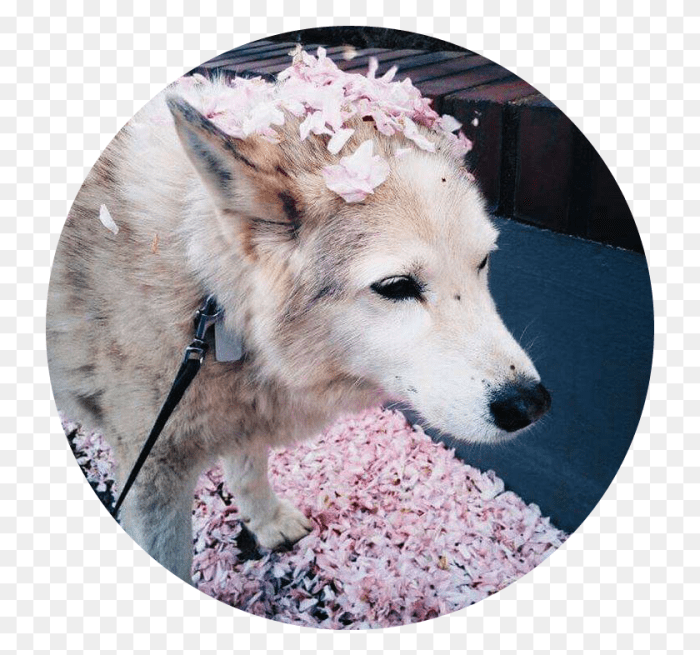
The Japanese aesthetic for pet leash holders embodies a meticulous blend of functionality and artistry, reflecting a deep appreciation for natural materials and minimalist design principles. This translates into a refined aesthetic that harmonizes seamlessly with urban environments while retaining a connection to traditional craft. The emphasis on quality materials and precise execution creates a timeless appeal, setting these holders apart from mass-produced counterparts.This meticulous approach extends beyond the visual; the design considers the needs of both pet and owner, prioritizing comfort and safety without compromising the aesthetic.
This holistic consideration is key to understanding the enduring appeal of this design philosophy.
Specific Design Features
Japanese pet leash holders often feature understated elegance, employing natural materials like bamboo, wood, or high-quality leather. These materials evoke a sense of calm and connection to nature, contributing significantly to the overall aesthetic appeal. The smooth, unadorned surfaces of these materials contrast beautifully with the sleek lines of the holder itself, creating a harmonious visual effect.
Craftsmanship and Attention to Detail
The craftsmanship evident in Japanese pet leash holders is paramount. Precision in every aspect, from the meticulous shaping of the wood to the careful stitching of leather, elevates the design from functional to artistic. The intricate details, though often subtle, speak volumes about the dedication and skill of the artisans involved. This dedication to detail is not merely about aesthetics but also about durability and longevity.
Comparison to Other Styles
Contrastingly, some Western designs prioritize bold colors and patterns, often sacrificing the refined simplicity of Japanese aesthetic for more immediate visual impact. Other styles may prioritize a more overtly “pet-centric” approach, with cartoonish or highly personalized elements. The Japanese approach, however, emphasizes the holder’s ability to blend seamlessly into the owner’s lifestyle without being overly ostentatious. This delicate balance between functionality and artistry is a hallmark of Japanese design.
Leash Holder Closures
The choice of closure mechanism significantly impacts the aesthetic appeal and functionality of a leash holder. Different types of closures offer varying levels of security and style.
| Closure Type | Aesthetic Impact | Functionality |
|---|---|---|
| Buckle | Classic, reliable, straightforward | Secure, often easy to use, durable |
| Snap Hook | Modern, minimalist, streamlined | Fast attachment and detachment, often lightweight |
| Velcro | Casual, easy, suitable for quick use | Easy to open and close, good for occasional use |
| Button/Clasp | Traditional, subtle, elegant | Secure closure, potentially more intricate to operate |
Materials and Craftsmanship
Japanese pet leash holders embody a deep respect for natural materials and meticulous craftsmanship, reflecting a cultural ethos of beauty and functionality. This meticulous approach ensures the holders not only serve their practical purpose but also enhance the overall aesthetic experience for both pet and owner. The choice of materials and the level of craftsmanship contribute significantly to the unique character of these items.Japanese artisans frequently utilize a diverse array of materials to create pet leash holders, carefully considering their aesthetic qualities and practical attributes.
The selection of materials often stems from a desire to connect with nature and create pieces that are both beautiful and durable.
Common Materials
The selection of materials in Japanese pet leash holders often emphasizes natural elements. Wood, bamboo, and metal are common choices, each with its own distinct qualities. These materials are frequently combined to create a harmonious blend of textures and aesthetics.
- Wood: Hardwoods like cherry, maple, and oak are favored for their strength, rich grain patterns, and natural beauty. Carving techniques are often used to accentuate the natural grain, creating a visually appealing surface. For example, a leash holder crafted from polished cherry wood might feature intricate carvings depicting natural motifs like bamboo shoots or blossoming cherry blossoms.
- Bamboo: Known for its lightweight yet durable nature, bamboo is another popular material. Its natural striations add a distinctive aesthetic appeal, especially when paired with other materials. For example, a leash holder crafted from bamboo might have metal components that contrast and complement its organic texture.
- Metal: Metal components, often brass or copper, are used to create clasps, rings, and other functional elements. The warm tones and malleability of these metals enhance the overall aesthetic, often complementing the natural materials. For instance, a brass clasp on a bamboo leash holder adds a touch of understated elegance.
Craftsmanship
The level of craftsmanship associated with Japanese pet leash holders is consistently high. Artisans often spend considerable time shaping and refining each piece, ensuring both durability and aesthetic harmony. Attention to detail is paramount, from the precise joinery of wood components to the meticulous polishing of metal elements.
- Traditional Techniques: Carving, turning, and inlay techniques are commonly employed, demonstrating the mastery of traditional Japanese woodworking skills. These techniques contribute to the piece’s unique character and longevity.
- Emphasis on Detail: The focus on minute details, such as the curvature of a handle or the alignment of metal components, reflects the dedication to creating a visually appealing and well-executed product. For instance, the subtle curves of a wood handle or the perfectly aligned rings on a metal clasp showcase the artisans’ attention to detail.
Importance of Natural Materials
Natural materials are crucial in achieving the aesthetic of Japanese pet leash holders. The warm tones, textures, and patterns of wood and bamboo evoke a sense of connection with nature. This connection is a significant part of Japanese aesthetics, reflecting a deep respect for the natural world.
- Connection with Nature: The use of natural materials creates a tangible link between the product and the natural environment. This connection resonates with the Japanese aesthetic principle of appreciating the beauty of natural elements.
- Durability and Longevity: Naturally sourced materials are often exceptionally durable and resilient. Their inherent strength and resistance to decay contribute to the longevity of these handcrafted pieces, making them valuable heirlooms.
Durability and Aesthetic Comparison
| Material | Durability | Aesthetic Qualities |
|---|---|---|
| Wood (Cherry) | High, with proper care | Rich grain, warm tones, natural beauty |
| Bamboo | High, lightweight | Unique striations, natural texture |
| Brass | High, resistant to corrosion | Warm tones, subtle sheen |
| Copper | High, with proper care | Rich tones, develops patina over time |
The table above provides a concise comparison of common materials used in Japanese pet leash holders, considering their respective durability and aesthetic qualities.
Color Palettes and Symbolism
Japanese aesthetics often prioritize harmony and balance, reflecting in the subtle and sophisticated color palettes used for pet leash holders. These palettes aren’t merely decorative; they carry symbolic weight, echoing traditional Japanese cultural values and conveying a sense of tranquility and respect for nature. This section explores the common color palettes in Japanese pet leash holders, their symbolic meanings, and how these combinations contribute to the overall aesthetic appeal.
Common Color Palettes
The most prevalent color palettes in Japanese pet leash holders often draw inspiration from nature. Earthy tones, soft pastels, and muted jewel tones are frequently employed, reflecting the serene landscapes and natural beauty that are central to Japanese aesthetics. These choices evoke a sense of tranquility and harmony, perfectly aligning with the emphasis on gentle interactions with animals and the surrounding environment.
Symbolic Meanings of Colors
Colors in Japanese culture carry specific symbolic meanings, often linked to traditional beliefs and artistic expressions. For example, deep blues and greens often symbolize the serenity and vastness of nature, conveying a sense of calmness and peace. These colors are often paired with earthy tones like browns and creams to enhance the feeling of grounded connection with the natural world.
Conversely, brighter, more vibrant colors may be used in a more limited fashion, representing elements like happiness or energy in a controlled and balanced way.
Color Combinations Enhancing the Aesthetic
Careful color combinations are crucial in creating a harmonious aesthetic. For instance, pairing deep greens with warm browns can evoke the feeling of a lush forest, while soft pinks and lavenders can convey a sense of delicate femininity. These pairings often evoke a sense of sophistication and elegance, enhancing the overall appeal of the pet leash holder.
Contrasting Colors for Visual Interest
While harmonious color palettes are prevalent, the strategic use of contrasting colors can also add visual interest and dynamism. A small accent of a bold color, such as a vibrant orange or a rich crimson, against a backdrop of muted greens or blues, can create a focal point without disrupting the overall sense of calm. This approach is key in balancing visual harmony with an engaging design.
Table of Color Palettes
| Color Palette | Cultural Associations | Application to Pet Leash Holders |
|---|---|---|
| Muted Greens & Browns | Nature, tranquility, groundedness | Evokes a sense of serenity and connection with nature. Often used for everyday use. |
| Soft Pinks & Lavenders | Delicacy, femininity, gentleness | Suitable for leash holders for smaller, more delicate pets, adding a touch of elegance. |
| Deep Blues & Greens | Serenity, vastness of nature, calmness | Creates a feeling of peace and quietude, perfect for a quiet walk in the park. |
| Creams & Beiges | Simplicity, natural beauty, earthiness | Adds a touch of sophistication and sophistication, often seen as a neutral background for other colors. |
| Accent of Vibrant Orange/Crimson | Energy, warmth, happiness (used sparingly) | Adds a focal point and visual interest, creating a more dynamic look. |
Patterns and Motifs
Japanese pet leash holders, reflecting a deep-rooted aesthetic, often incorporate traditional patterns and motifs. These designs are not merely decorative; they carry cultural significance, reflecting historical values and artistic traditions. The careful selection of patterns contributes to the overall visual harmony and the emotional resonance of the item.Traditional Japanese design principles, particularly the emphasis on simplicity and balance, are frequently manifested in the minimalist application of patterns on leash holders.
This restraint, far from being devoid of meaning, speaks to the appreciation for subtle beauty and the essence of the subject, the pet.
Common Patterns and Motifs
Japanese patterns frequently used in pet leash holders draw inspiration from nature, geometry, and floral elements. These designs often convey a sense of serenity, harmony, and connection with the natural world. The choice of pattern often complements the overall aesthetic and the pet’s breed or personality.
Examples of Traditional Japanese Patterns
- Floral Patterns: Cherry blossoms, plum blossoms, and other flowering motifs symbolize beauty, resilience, and the fleeting nature of life. Their delicate representations, often in muted colors, evoke a sense of serenity. On a pet leash holder, these patterns could be used in a delicate embroidery or a subtle print, highlighting the connection between the pet and the natural world.
- Geometric Patterns: Geometric designs, like those inspired by traditional Japanese textiles, frequently appear in repetitive, interlocking shapes. These patterns are often associated with balance, harmony, and order. A simple, geometric pattern on a leash holder could reflect the structured and balanced nature of the pet’s owner’s personality. The use of a geometric design can be subtle and yet powerful.
- Nature-Inspired Patterns: Designs inspired by natural elements such as bamboo, waves, or landscapes frequently appear in Japanese art and craft. These patterns can symbolize the natural beauty and resilience of the environment. A pattern of bamboo stalks on a pet leash holder could convey a sense of strength and flexibility, mirroring the pet’s agility. A design of waves or a mountain range could reflect the pet’s love for nature walks.
Cultural Significance of Patterns
The cultural significance of these patterns stems from their historical and artistic context. Patterns are not merely decorative; they are imbued with symbolic meaning. Floral patterns often represent the fleeting nature of beauty, while geometric patterns convey harmony and balance. These symbolic associations enhance the aesthetic appeal and emotional resonance of the pet leash holder.
Minimalist Patterns
The minimalist approach to patterns in Japanese design often emphasizes simplicity and elegance. Instead of overwhelming the viewer with elaborate details, minimalist patterns create a sense of quietude and sophistication. This approach is particularly well-suited to pet leash holders, where a simple, elegant pattern can complement the functionality of the item without detracting from the pet’s elegance. This minimalist approach often utilizes subtle color palettes, which further enhance the overall aesthetic.
Table of Patterns
| Pattern | Origin | Application to Pet Leash Holders |
|---|---|---|
| Cherry Blossoms | Traditional Japanese floral art | Delicate embroidery or subtle print, evoking beauty and fleeting nature of life. |
| Bamboo | Nature-inspired Japanese design | Strong, flexible lines, symbolizing strength and agility. |
| Geometric (e.g., interlocking circles) | Traditional Japanese textiles | Conveying balance, harmony, and order, often in muted colors. |
| Waves | Nature-inspired Japanese design | Evoking a sense of movement and connection with nature, suitable for pet owners who love walks by the sea. |
Accessories and Functionality
Japanese pet leash holders, beyond their aesthetic appeal, often incorporate practical accessories that enhance both the visual appeal and usability of the product. These accessories, meticulously crafted and often imbued with symbolic meaning, contribute to the overall experience of owning a pet and maintaining a harmonious bond. Integrating functionality seamlessly with the aesthetic is a key design principle.
Common Accessories
Japanese pet leash holders frequently include a variety of accessories beyond the leash itself. These accessories range from simple, practical elements to decorative components that reflect cultural values. The choice and integration of these accessories are critical to the overall aesthetic and usability of the product.
Enhancements to Aesthetic and Functionality
Accessories are meticulously integrated to enhance both the aesthetic and functionality of the leash holder. The selection of materials, colors, and motifs, often echoing traditional Japanese aesthetics, are integral to the visual appeal. Functional elements, such as compartments for treats, tags, or other small items, not only serve a practical purpose but also add to the overall design cohesiveness.
Practical Features
The practical features incorporated in Japanese pet leash holders often include thoughtful design choices that elevate usability. This can involve features like adjustable straps for a secure fit, reinforced stitching for durability, or clever pockets for storage. The consideration for ergonomic design principles is apparent in the thoughtful integration of these features, ensuring a comfortable experience for both the pet owner and the pet.
Table of Accessories
| Accessory | Function | Aesthetic Contribution |
|---|---|---|
| Carrying Pouch/Compartments | Storage for treats, tags, or small items. | Adds a practical and aesthetically pleasing touch, often designed with the same attention to detail as the main leash holder, echoing Japanese aesthetics of balance and harmony. |
| Adjustable Straps | Customizable fit for different sized pets and owner preferences. | Functionality and comfort are highlighted, aligning with the Japanese focus on user-friendliness and personalization. |
| Durable Materials | Increased longevity and resistance to wear and tear. | Durability is a key aesthetic element; high-quality materials often convey the same craftsmanship found in other Japanese goods. |
| Embellishments (e.g., charms, beads) | Decorative accents that can also serve as identifying marks. | Adds symbolic meaning, personal touch, and visual interest to the holder, often incorporating traditional Japanese motifs or colors. |
| Integrated Tag Holders | Securely holds pet tags and identification information. | Provides a practical and visually pleasing solution for essential pet identification, reflecting the Japanese emphasis on organization and practicality. |
Visual Representation of the Aesthetic

The visual representation of a Japanese pet leash holder aesthetic hinges on evoking a sense of serene beauty and craftsmanship. This aesthetic blends traditional Japanese design principles with the practicality of everyday pet ownership, creating a harmonious visual experience. The imagery should seamlessly integrate functionality with a refined, understated elegance.The imagery employed in marketing these products must reflect the core principles of the aesthetic: simplicity, natural materials, and a subtle, understated sophistication.
This visual language should resonate with a target audience seeking products that embody these values.
Visual Examples
The visual representation of the aesthetic is crucial in conveying the essence of the Japanese pet leash holder. High-quality images showcasing the products are essential for effectively communicating the design and craftsmanship. These images must visually demonstrate the harmony between form and function, reflecting the attention to detail inherent in Japanese design. Images should focus on the interplay of natural materials, clean lines, and subtle color palettes.
Leash Holder Imagery Descriptions
Five distinct leash holder designs, representing the aesthetic, are detailed below, each with a focus on its visual elements.
- Leash Holder 1: Bamboo Elegance
-This leash holder features a minimalist design crafted from natural bamboo. The image, likely a close-up, emphasizes the smooth, polished surface of the bamboo, highlighting its natural grain. A soft, diffused lighting technique accentuates the warm tones of the bamboo. The background is intentionally simple, a neutral color or perhaps a muted landscape, allowing the bamboo holder to be the focal point.The overall mood evoked is one of calm tranquility, emphasizing the natural and sustainable aspects of the product. The composition prioritizes showcasing the beauty of the bamboo, with the leash holder as a subtle, graceful addition to the image.
- Leash Holder 2: Lacquer Serenity
– The image for this holder will showcase a rich, lacquered finish, likely in a deep, warm color like a dark red or a muted gold. A subtle, almost diffused lighting would highlight the smooth, glossy surface of the lacquer, bringing out its depth and richness. The background should be neutral, perhaps a soft, muted gray or a subtle patterned paper, supporting the lacquered holder without detracting from it.The composition should be carefully arranged to display the lacquered finish, creating a sense of elegance and refined craftsmanship. The mood should be serene and sophisticated, hinting at the tradition and artistry behind the design.
- Leash Holder 3: Wicker Warmth
-The image will depict a woven wicker leash holder, likely in a light beige or tan tone. The focus will be on the intricate weave of the wicker, highlighting its texture and the subtle variations in tone. Natural, soft lighting, perhaps coming from a slightly angled source, will showcase the natural material. The background should be a muted, neutral tone, such as a soft gray or pale green, which enhances the natural colors of the wicker.The composition should convey a sense of warmth and comfort, suggesting a natural connection to the outdoors and the product’s organic nature.
- Leash Holder 4: Ceramic Simplicity
– The image of this holder will be a close-up of a ceramic leash holder, featuring simple, clean lines. Soft, diffused lighting should highlight the smooth, polished surface of the ceramic, potentially with a subtle glaze. The background should be a neutral tone or a muted, patterned surface, allowing the ceramic to stand out. The composition should be carefully arranged to showcase the sleek lines of the design and the clean aesthetic.The mood should be one of quiet elegance and understated sophistication, reflecting the modern take on a traditional material.
- Leash Holder 5: Paper Elegance
– The image will display a meticulously crafted paper leash holder, possibly featuring intricate origami-like folding or a subtle, traditional Japanese pattern. Natural lighting, diffused to avoid harsh shadows, will enhance the delicate nature of the paper. The background should be a simple neutral color, such as off-white or beige, to highlight the pattern or folding. The composition should be designed to focus on the delicate folds and the intricate details of the paper’s craftsmanship.The mood evoked should be one of grace and artistry, emphasizing the delicate beauty and meticulous detail of the paper holder.
Practical Considerations for Users
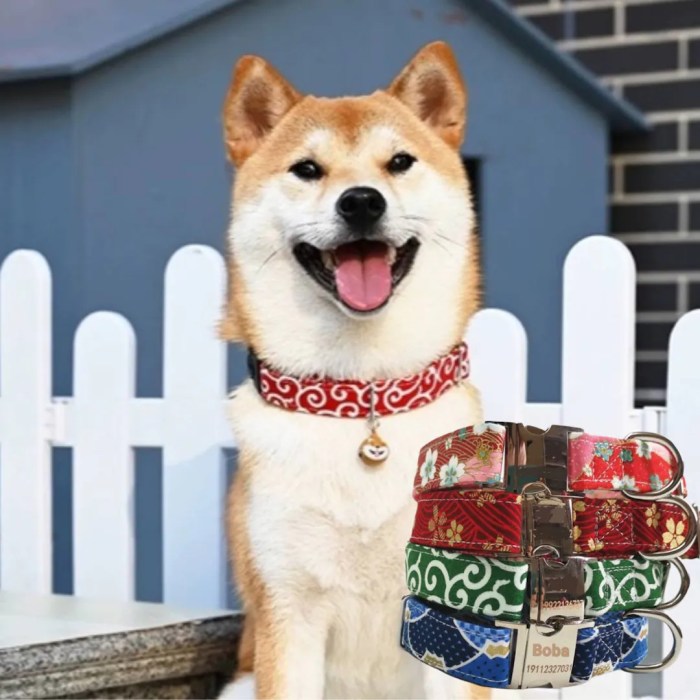
Japanese pet leash holders, imbued with aesthetic appeal and cultural resonance, must also prioritize practicality. A well-designed holder offers a seamless blend of beauty and functionality, enhancing the pet owner’s experience and ensuring the pet’s comfort. The design’s effectiveness hinges on the thoughtful integration of ergonomics, materials, and ease of use.
Usability and Functionality
The functionality of a Japanese pet leash holder hinges on its ability to securely and comfortably hold the leash while minimizing stress on both the pet and the owner. A well-designed holder will distribute weight evenly, avoiding pressure points on the pet’s neck or chest. The attachment mechanism should be quick and easy to use, allowing for smooth transitions between walks and activities.
Proper leash length adjustment is also critical, allowing for personalized control and flexibility.
Impact on Pet Comfort
Careful design considerations directly impact the pet’s comfort. The leash holder’s material and shape should minimize friction against the pet’s fur or skin. A wide, padded design or a soft, breathable material will contribute to a more comfortable experience. The holder’s position relative to the pet’s body is also crucial. A properly positioned holder prevents unnecessary strain on the pet’s neck or back, especially during longer walks or outdoor activities.
Ease of Use and Maintenance
Ease of use for the pet owner is paramount. The holder should be simple to attach and detach from the pet’s collar or harness. Clear instructions and intuitive design contribute to the overall user experience. The holder should also be relatively easy to clean, minimizing the effort required for maintenance. A holder made from water-resistant materials, for instance, simplifies cleaning and prolongs the product’s lifespan.
Durability is equally important; the holder should withstand regular use without showing signs of wear and tear.
Comparison of Leash Holder Designs
| Leash Holder Design | Impact on Usability |
|---|---|
| Traditional Knotted Holder | Often simple to use, potentially less comfortable for the pet due to uneven weight distribution. Maintenance is generally easy. |
| Padded, Adjustable Holder | Provides a more comfortable experience for the pet, offering better weight distribution. Adjustment mechanisms can enhance usability for varying pet sizes. Maintenance might be slightly more involved depending on the material. |
| Clip-On Holder | Extremely quick and easy to attach and detach. Potential for uneven weight distribution depending on the clip design. Cleaning might be easier if the clip is detachable. |
| Ergonomic, Strapped Holder | Prioritizes comfort for both pet and owner through optimized weight distribution. Adjustment mechanisms may be more complex, requiring initial learning. Maintenance may depend on the material. |
Potential Applications and Adaptations
The Japanese aesthetic, with its emphasis on minimalism, functionality, and natural materials, offers a versatile framework for extending beyond pet leash holders. This adaptable approach can be leveraged in various product categories, creating a cohesive and aesthetically pleasing brand identity.This approach emphasizes a seamless integration of form and function, fostering a connection with the user through intuitive design and high-quality materials.
This translates into a range of applications, from everyday accessories to more specialized products, highlighting the enduring appeal of this aesthetic.
Potential Product Adaptations
The core principles of the Japanese aesthetic, including clean lines, natural materials, and a focus on functionality, lend themselves well to a wide array of product adaptations. This allows for a coherent and recognizable design language across diverse product categories.
- Home Decor: Integrating the aesthetic into home decor items like wall shelves, minimalist furniture, or decorative trays can evoke a serene and tranquil atmosphere. This approach could draw inspiration from traditional Japanese gardens, employing natural materials like bamboo and wood, and incorporating subtle patterns and motifs. For example, a bamboo wall shelf with a sleek, minimalist design could seamlessly blend with a modern living space while retaining a distinctly Japanese character.
- Outdoor Gear: The aesthetic can translate into functional and stylish outdoor gear, such as backpacks, camping gear, or picnic sets. This could involve the use of lightweight materials like recycled fabrics and sustainable woods, while maintaining the emphasis on clean lines and subtle detailing. Consider a hiking backpack with a bamboo-accented design, featuring water-resistant fabric and a streamlined shape for optimal functionality.
- Giftware: The aesthetic’s focus on understated elegance and quality materials makes it ideal for giftware. This could include gift boxes, stationery sets, or decorative items. The use of Japanese calligraphy or subtle illustrations could further enhance the aesthetic appeal, while ensuring the practicality of the product for everyday use. For instance, a beautifully crafted wooden box with a minimalist design could serve as an elegant gift for any occasion.
- Personal Accessories: The aesthetic can extend to personal accessories such as wallets, keychains, or even jewelry. This could involve the use of natural materials like leather or wood, along with minimal embellishments and clean lines. For example, a minimalist leather wallet with a subtle bamboo accent could appeal to those seeking both style and practicality.
Potential Collaborations and Adaptations
The Japanese aesthetic’s broad appeal presents opportunities for successful collaborations across various industries. This allows for the development of products that are both unique and consistent with the core principles.
- Collaborations with Craftspeople: Collaborating with Japanese artisans and craftspeople can inject authenticity and high quality into the design process. This ensures a strong connection with the cultural roots of the aesthetic. The aesthetic can be adapted and refined through the unique skills and techniques of these artisans, leading to exceptional craftsmanship and unique designs.
- Adaptations for Different Markets: The aesthetic’s adaptability can be further leveraged by adapting it to different market segments. This involves tailoring the design and materials to meet the specific needs and preferences of various target audiences. This approach could involve adjusting the scale, color palette, or material choices to appeal to specific demographic groups while maintaining the core principles of the aesthetic.
Table of Potential Adaptations
The following table demonstrates the potential adaptation of the Japanese pet leash holder aesthetic across various product categories:
| Product Category | Adaptation Example | Key Design Elements |
|---|---|---|
| Home Decor | Bamboo wall shelves, minimalist furniture | Natural materials, clean lines, subtle patterns |
| Outdoor Gear | Recycled fabric backpacks, bamboo camping sets | Lightweight materials, functionality, understated elegance |
| Giftware | Wooden gift boxes, handcrafted stationery sets | High-quality materials, minimalist design, subtle details |
| Personal Accessories | Leather wallets with bamboo accents, minimalist keychains | Natural materials, clean lines, functional design |
Trends and Future Directions
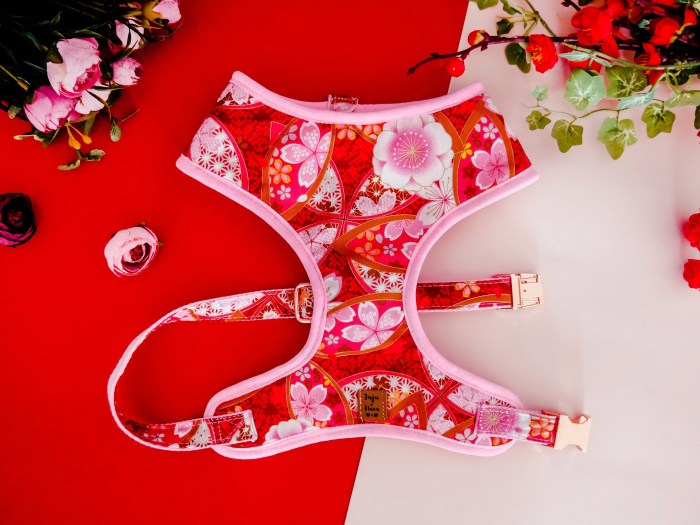
The Japanese pet leash holder aesthetic, with its emphasis on minimalist design and meticulous craftsmanship, is poised for evolution. Emerging trends are reflecting broader shifts in consumer preferences, driven by factors such as sustainability concerns and technological advancements. This evolution promises a more nuanced and integrated approach to pet ownership accessories, going beyond functional design to embrace a holistic aesthetic experience.The future of pet leash holders will likely be characterized by a fusion of traditional Japanese aesthetics with contemporary design sensibilities.
This blending will prioritize both functionality and visual appeal, creating products that are not only practical but also beautiful additions to a pet owner’s lifestyle.
Emerging Trends
Consumer demand for sustainable and ethically sourced materials is influencing the market. This includes using recycled plastics, organic cotton, and plant-based materials. Brands are increasingly showcasing their commitment to environmentally responsible practices. For example, a growing number of companies are implementing closed-loop recycling programs for their products, showcasing a forward-thinking approach to manufacturing.
Future Developments in Technology
Smart technology will play an increasingly important role in pet leash holders. Integrated GPS trackers, or even smart sensors that monitor pet vitals, are conceivable additions. This integration will offer pet owners enhanced safety and peace of mind. Furthermore, the integration of haptic feedback technology could provide real-time alerts about potential dangers or changes in the environment.
The development of such technologies is paving the way for a more proactive and connected approach to pet care.
Influence of New Materials
The use of innovative materials like bio-plastics, bamboo, and recycled metals is rapidly gaining traction. These materials offer both aesthetic and environmental benefits. The adoption of bio-plastics could dramatically reduce the environmental impact of the product’s lifecycle. Similarly, the integration of bamboo provides a sustainable and aesthetically pleasing alternative to traditional materials.
Potential New Design Elements
The integration of hidden compartments for storing treats, toys, or essential pet supplies is a promising design element. This feature not only enhances functionality but also seamlessly blends form and function. Additionally, the incorporation of adjustable straps or magnetic closures for easy on-and-off functionality, or even weather-resistant coatings, could further enhance the practical value. These features would appeal to pet owners seeking versatile and practical accessories.
Table: Future Trends, Technologies, and Aesthetic Considerations
| Trend | Technology | Aesthetic Considerations |
|---|---|---|
| Sustainable Materials (e.g., recycled plastics, bamboo) | Integration of GPS trackers, smart sensors | Emphasis on minimalism, natural tones, and sustainable craftsmanship |
| Smart Functionality (e.g., integrated GPS trackers) | Haptic feedback systems | Sleek design, focus on clean lines, and technological integration |
| Hidden Compartments | Adjustable straps, magnetic closures | Multi-functional design, emphasis on practical storage solutions |
Conclusion
Japanese pet leash holders represent a sophisticated fusion of aesthetics and practicality. This exploration has illuminated the meticulous design, the significance of materials and craftsmanship, and the symbolic power of color and patterns. The aesthetic offers a compelling example of how Japanese design principles can be applied to everyday objects, creating items that are both beautiful and functional.
